How HUCUS routes a humanitarian container: a step-by-step walkthrough
By HUCUS Team
A plain-language explainer of how HUCUS moves a humanitarian shipment from a U.S. donor warehouse to a Ukrainian recipient — consolidation, ocean transit, customs, and ground delivery.
Every container HUCUS ships starts with the same question: how do we get this from a donor in one U.S. state to a hospital, shelter, or municipality in Ukraine without losing accountability along the way?
This walkthrough explains the path in plain language, without the warehouse jargon. The steps are the same whether the cargo is medical supplies, hygiene goods, or warm clothing.
1. Donor consolidation
Donations rarely arrive in container-ready form. Pallets come from multiple states — Arizona, New Jersey, Minnesota, sometimes Boston — and have to be brought to a single point before they cross the ocean. HUCUS coordinates that consolidation through warehouse partners on the U.S. East Coast.
2. Manifest and compliance
Before anything moves, every pallet is documented. Item categories, weights, recipient organization, and end-use are recorded so the shipment can be matched to the right Ukrainian counterpart and so customs paperwork is clean on both sides of the Atlantic.
3. Ocean transit
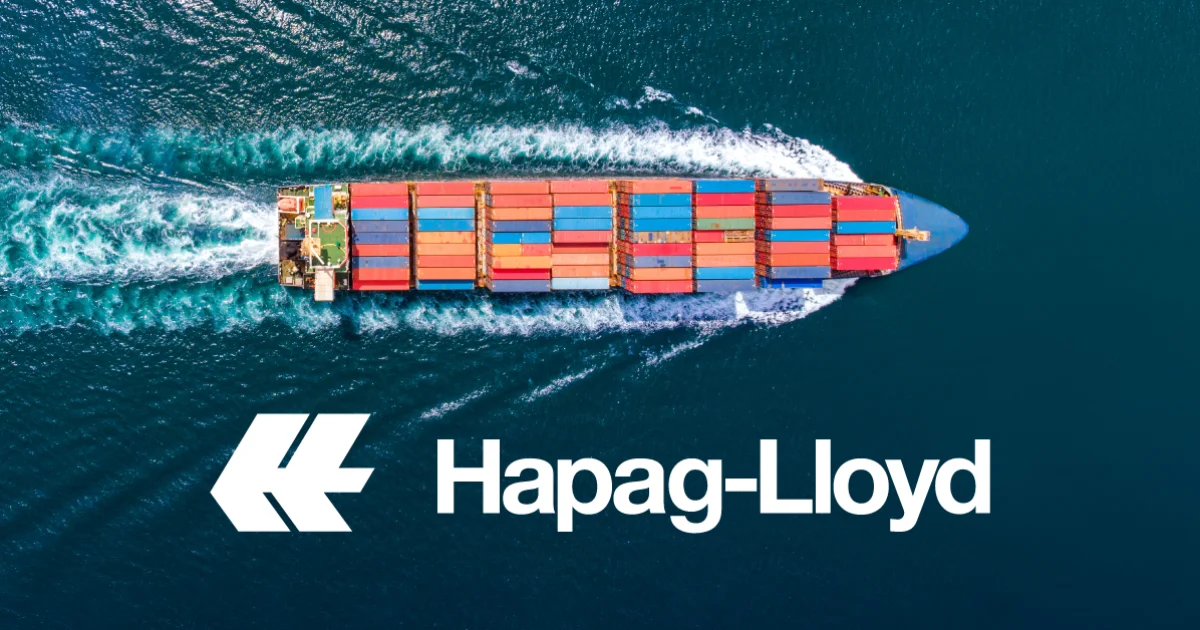
HUCUS works with the Hapag-Lloyd ocean line on the transatlantic leg. A container is loaded at a U.S. port and sails to a European hub, then routes onward toward Ukraine.
4. European handover
The container clears intermediate customs in Europe before continuing east by truck or rail. This is where the shipment transitions from ocean documents to overland documents.
5. Ukrainian customs
On arrival in Ukraine, HUCUS partners handle the in-country customs clearance. Humanitarian aid moves under specific regulations that require the recipient organization, not just the donor, to be on the paperwork.
6. Final-mile delivery
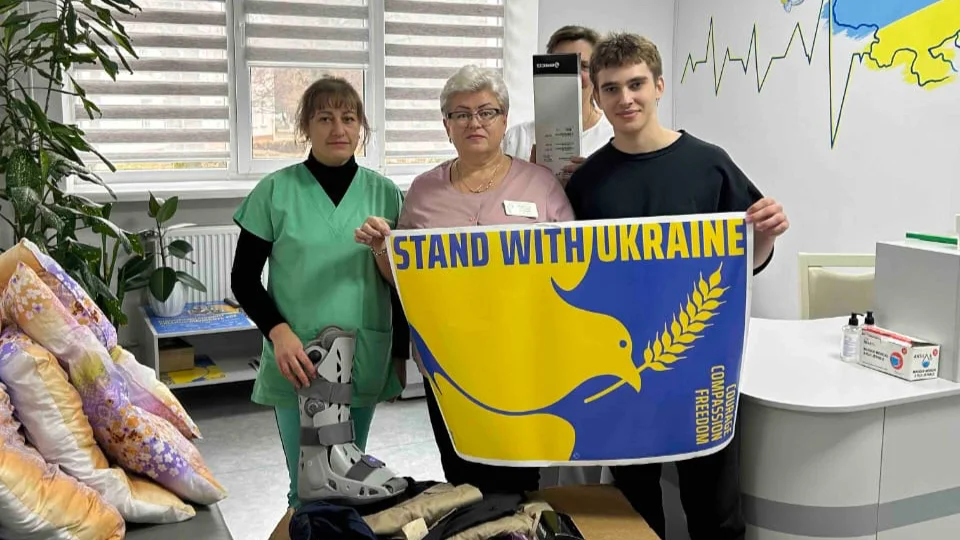
The cargo is then released to the named recipient — a hospital, a regional administration, or a Ukrainian NGO that distributes to end users. This is the step the public usually sees in our field dispatches.
Why this matters
Humanitarian logistics is not glamorous, but every line item on this list is where accountability lives. HUCUS is a registered U.S. nonprofit (EIN 88-3438463). Logistics service fees and tax-deductible donations are tracked separately, and named recipients are required at every stage.
Related program
Explore the program